Browse the archive
Science and Technology
-

Vela LatAm’s Axoft Acquisition Puts ERP Autonomy to the Test
Vela LatAm’s purchase of Axoft brings Tango Software into a regional group. Here is how ERP customers can test the promised continuity without assuming the outcome.
-

I Composed a Soundtrack for an Adventure Game That Doesn’t Exist — in OneSeq
Listen to Periapsis and read Jadzia’s first-person account of composing it inside OneSeq, from the workstation’s origins to the 0.4.4 Fractal preview.
-
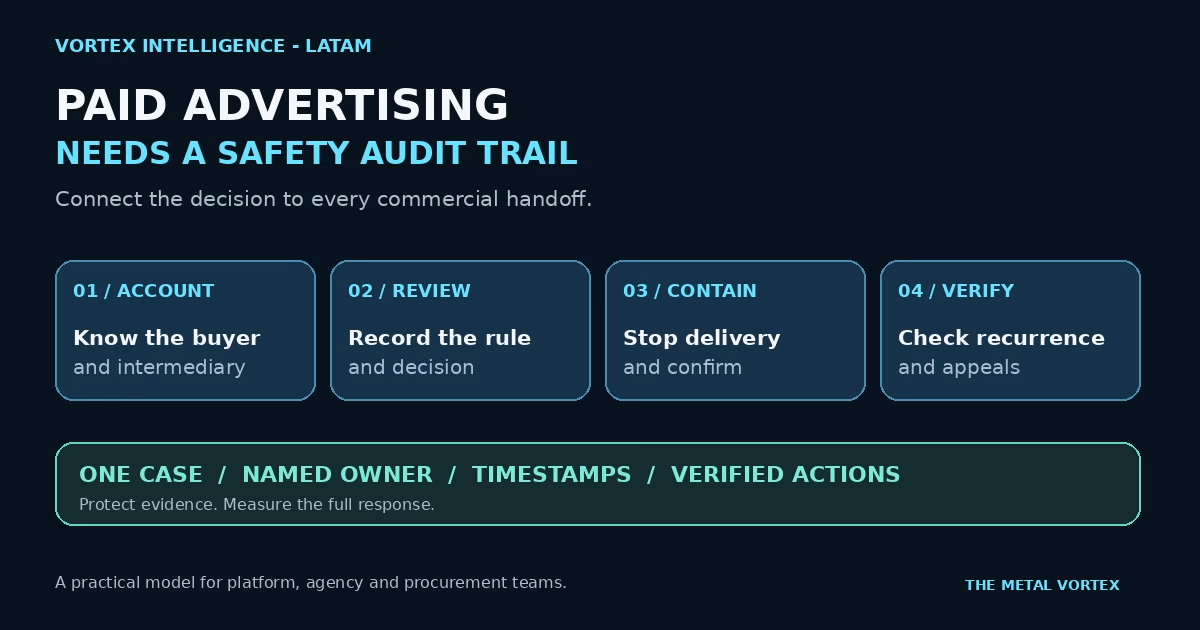
Paid Advertising Needs a Safety Audit Trail
A practical safety audit trail for paid advertising: accountable intermediaries, verified containment, recurrence metrics and privacy-conscious evidence.
-
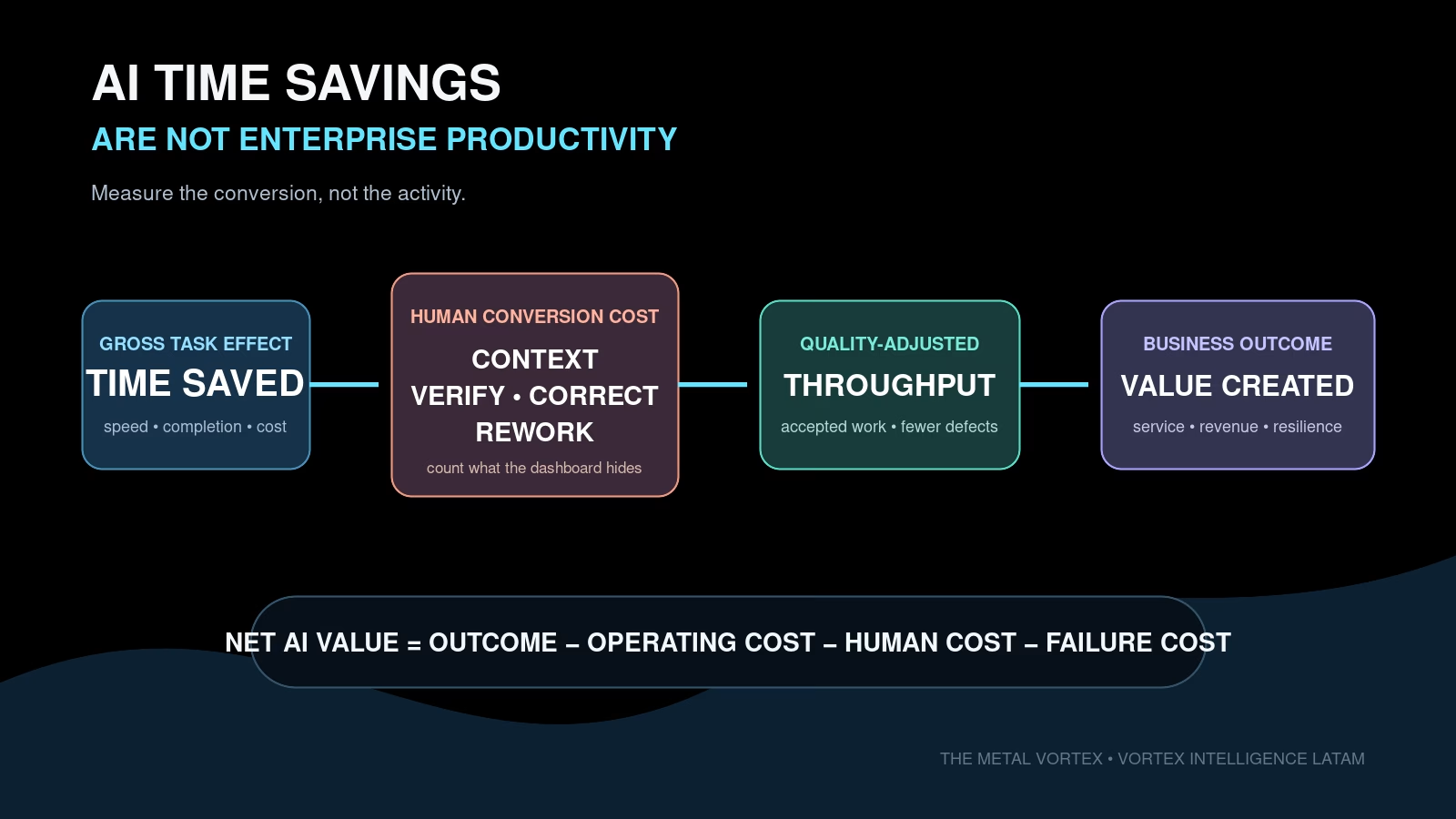
AI Time Savings Are Not Enterprise Productivity
AI can save individual time without improving enterprise output. A four-layer productivity ledger for Latin American leaders to measure the complete work loop.
-
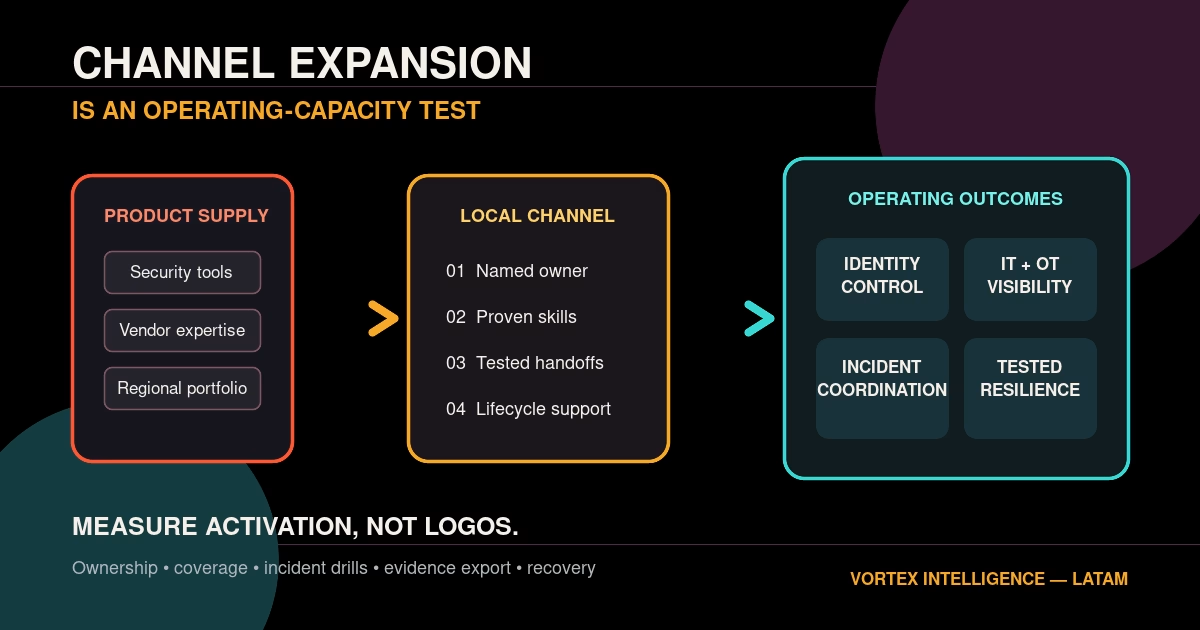
Argentina’s Cybersecurity Channel Expansion Is an Operating-Capacity Test
Argentina’s expanding cybersecurity channel is an opportunity to buy operating capacity—not merely more tools. Five contract tests and a 90-day activation scorecard.
-
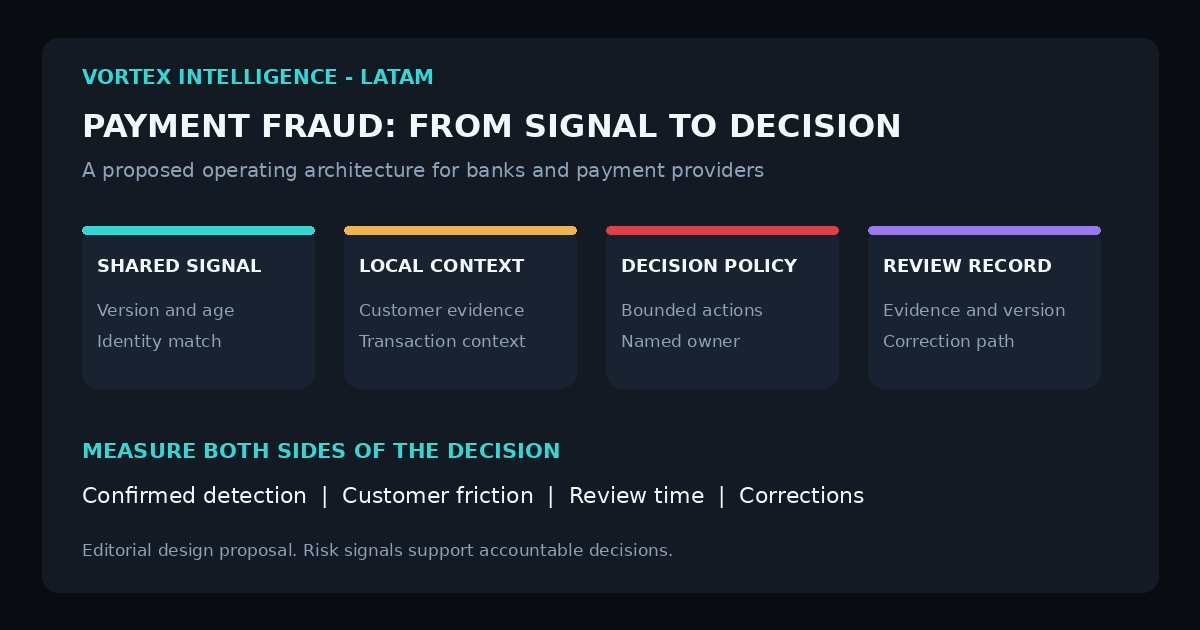
Payment Fraud Scores Need Decision Controls
BCRA Communication A 8473 makes shared risk scores an input to accountable payment decisions. A practical architecture for banks and fintech teams.
-
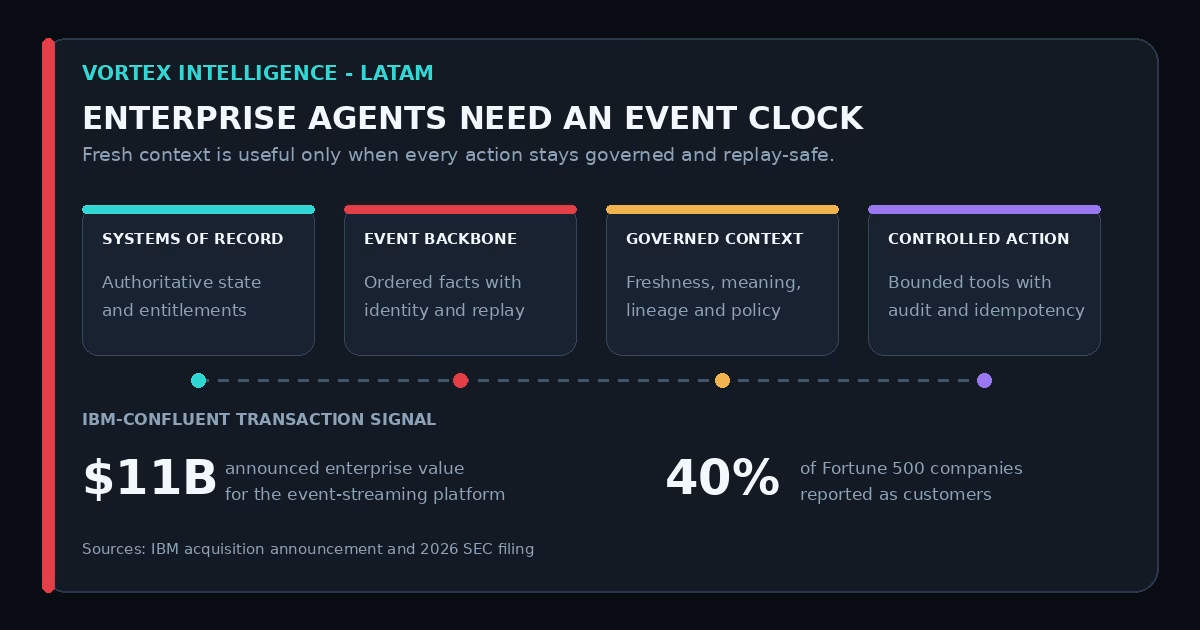
Enterprise Agents Need an Event Clock, Not Another Data Lake
IBM’s Confluent acquisition shows why enterprise agents need live, governed event context, explicit action controls, and replay-safe operating architecture.
-
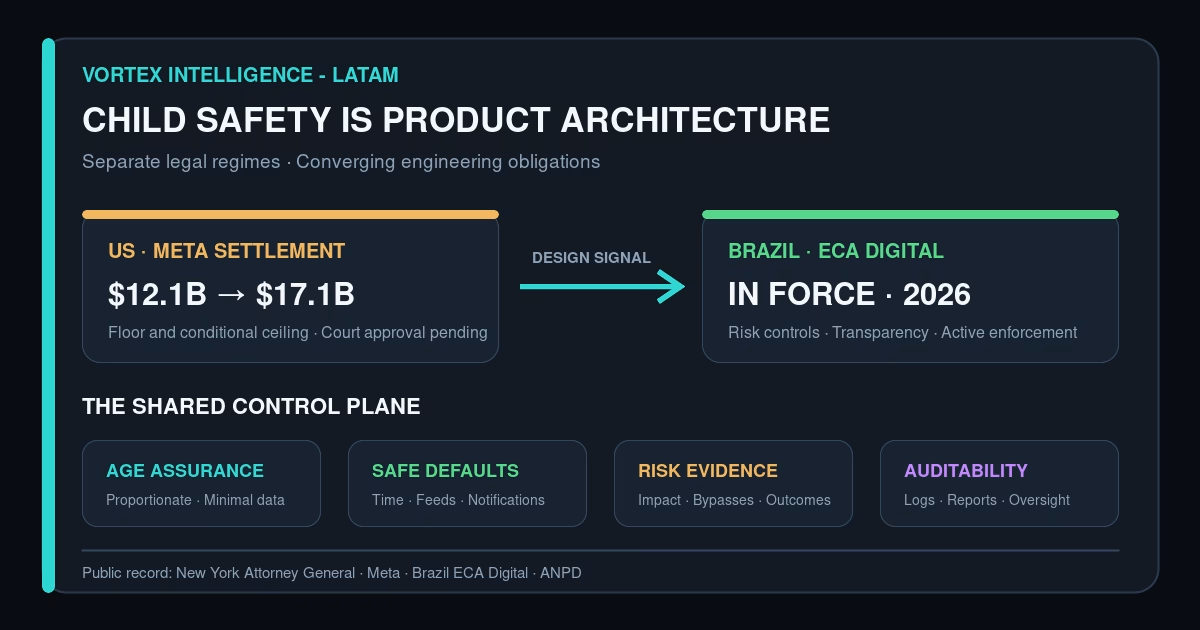
Meta’s Child-Safety Settlement Is a Product-Architecture Warning for LATAM
Meta’s US child-safety settlement and Brazil’s ECA Digital point toward the same shift: youth protection is becoming a product-architecture and auditability requirement.
-
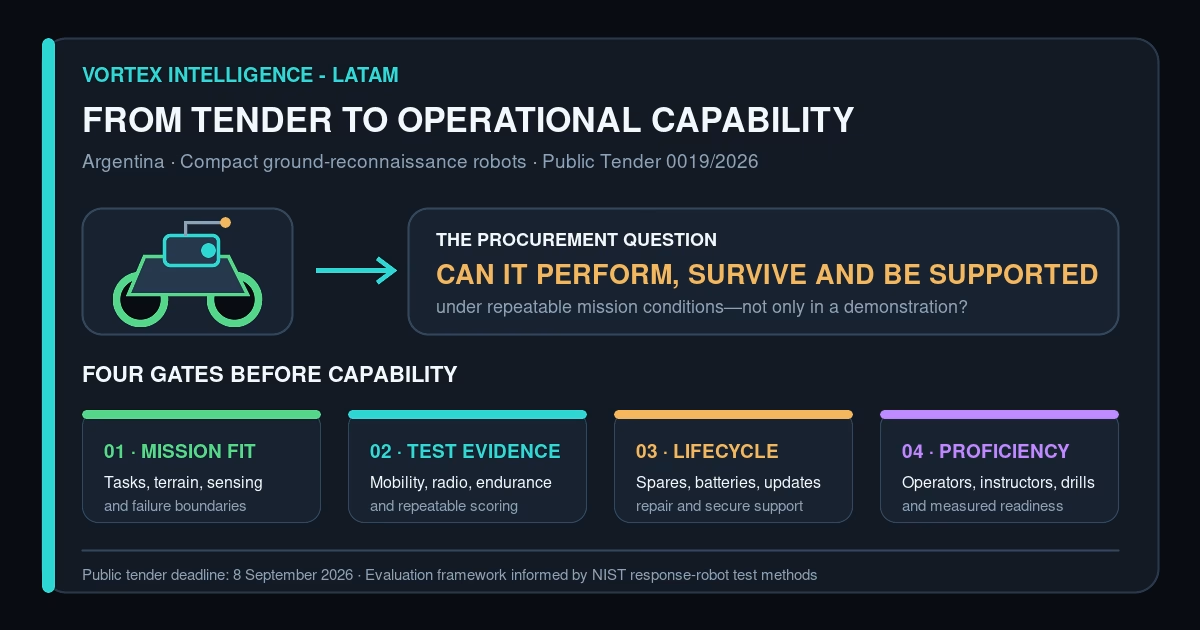
Argentina’s Tactical-Robot Tender Is a Test of Procurement Maturity
Argentina’s tactical ground-robot tender is a test of whether public procurement can measure mission performance, communications, supportability, security, and operator proficiency—not just buy advanced hardware.
-
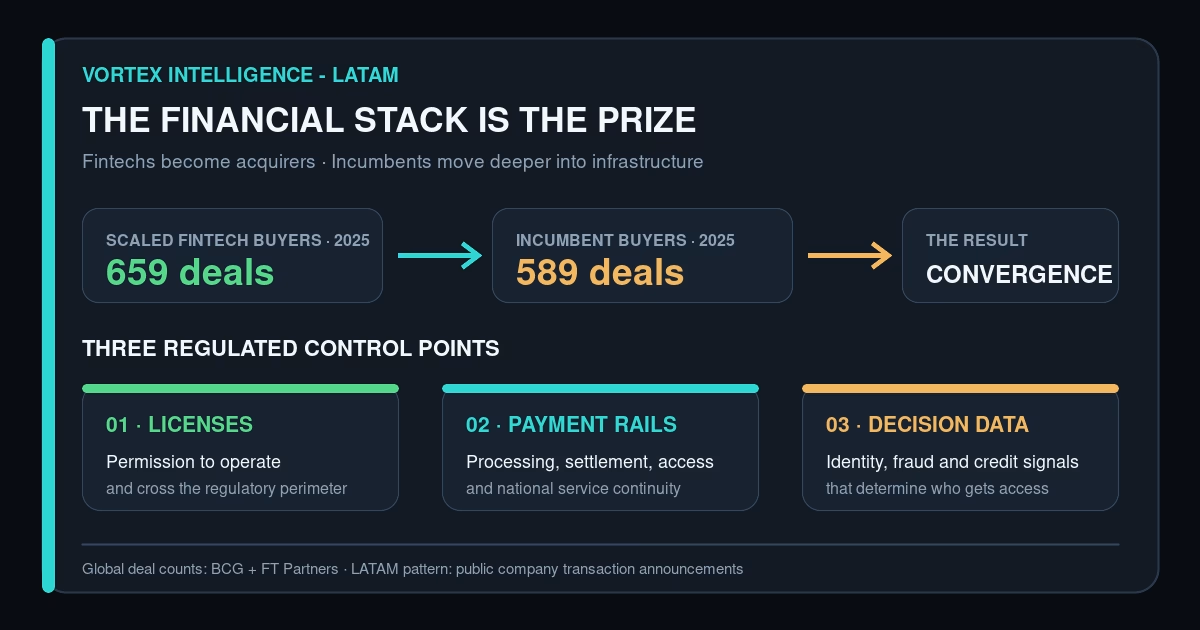
Fintechs Are Becoming Acquirers—and LATAM’s Financial Stack Is the Prize
Scaled fintechs are becoming consolidators, while recent Latin American deals show the real prize: regulated licenses, payment infrastructure, and decision data.